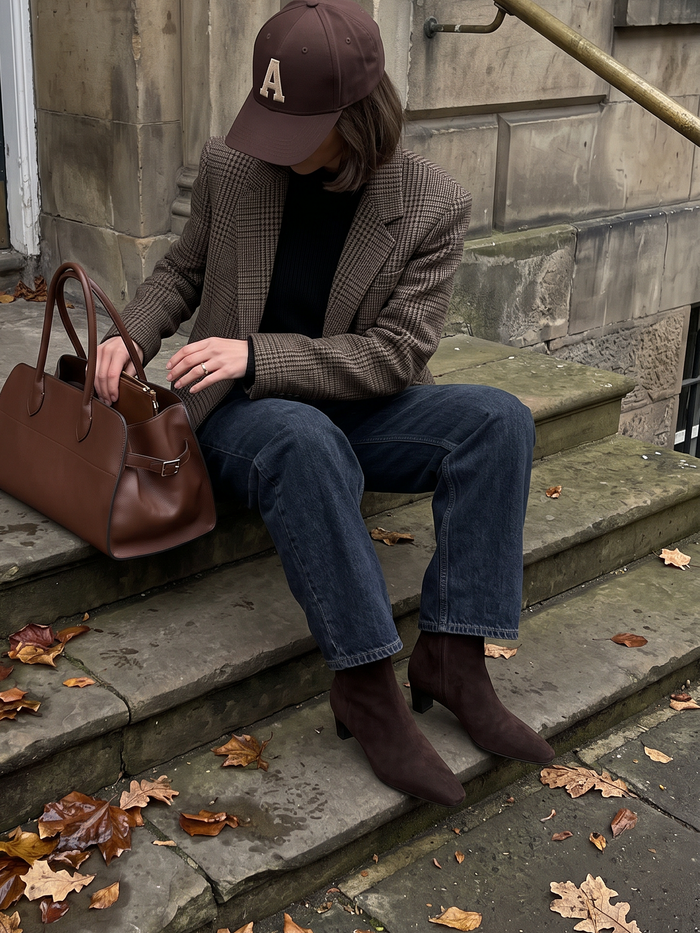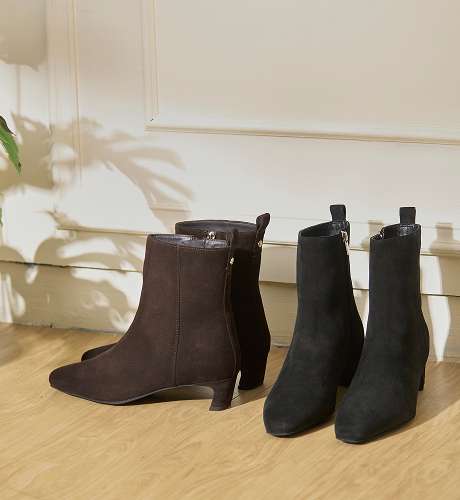
What to Wear with Kitten Heel Ankle Boots: Five Autumn Outfits
Published 15 October 2026
Published 16 May 2026
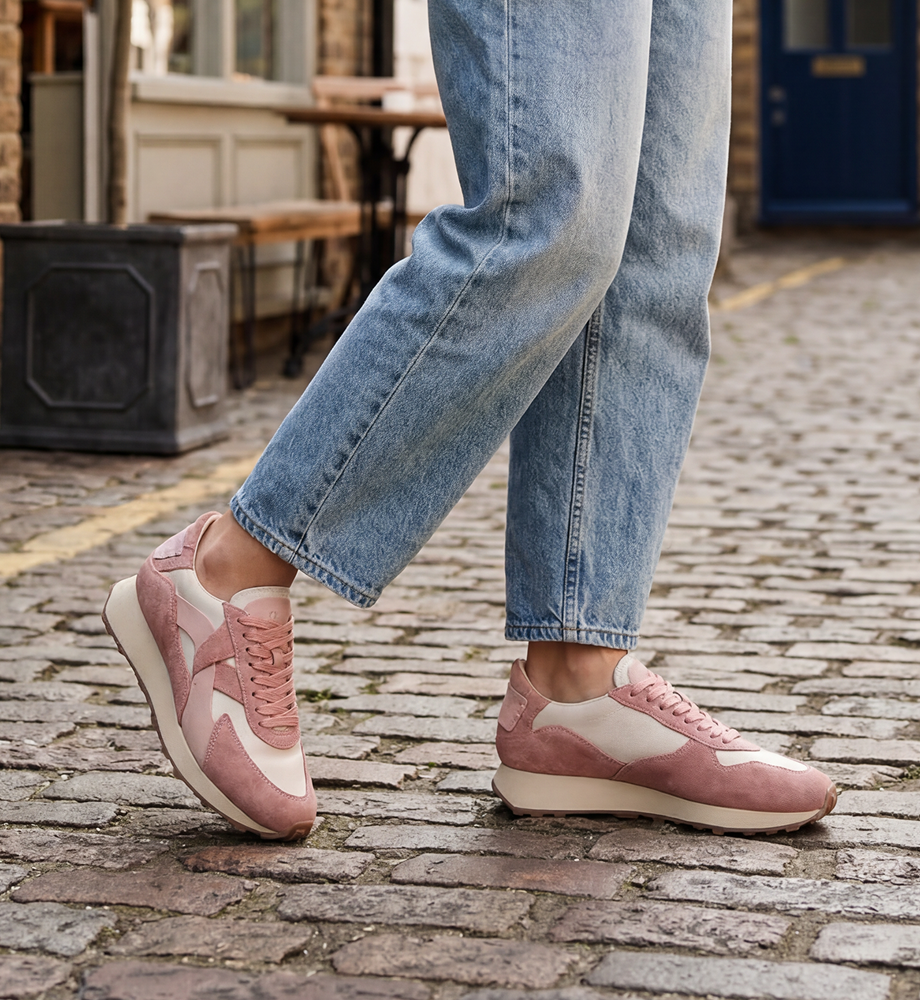
Master these essential care techniques to keep your leather trainers looking pristine through Britain's challenging weather conditions.
• Waterproof before first wear:
Apply protective spray 2-3 times to new trainers, building a moisture-resistant barrier that prevents rain damage and extends lifespan.
• Dry naturally after rain exposure:
Remove laces and stuff with newspaper, avoiding direct heat sources that cause cracking and permanent leather damage.
• Rotate pairs for longevity:
Alternating between multiple pairs extends each trainer's life threefold by allowing 24-48 hours recovery time between wears.
• Combat salt stains immediately:
Mix equal parts white vinegar and water to remove corrosive road salt before it creates permanent ridges and scarring.
• Condition regularly after wet weather:
Apply leather conditioner sparingly to restore moisture and flexibility stripped away by rain and cold temperatures.
With proper waterproofing, immediate post-rain care, and regular conditioning, your leather trainers will maintain their runway-ready appearance despite Britain's unpredictable weather. The key is consistency—small, regular maintenance efforts prevent major damage and costly replacements. Leather women trainers are a contemporary staple in any wardrobe, but British weather can wreak havoc on your favorite pair. Cold air dries out leather and leads to cracks and stiffness. Water and snow can weaken the material. Salt leaves unsightly stains that can damage your shoes permanently and turn runway-ready trainers into worn-out relics.
The good news? The right care can keep your leather trainers looking pristine for years to come. This piece covers everything you need to know about caring for your leather trainers in British weather. We'll show you how to waterproof leather trainers for UK weather and the proper way to dry them after wet walks. You'll also discover which leather conditioner works best against rain exposure.

Water poses a paradoxical threat to leather trainers. Leather absorbs moisture from rain or puddles. The water forms temporary bonds with the natural oils in the hide. These oils get stripped away as the water evaporates and leave the leather dry and brittle. The material's structure weakens. Cracking and splitting become more likely over time.
Approximately 60% of reported shoe damages link to moisture exposure in the UK, where rainfall is frequent. The damage goes beyond the surface. Moisture absorbed into leather fibers causes them to swell and harden, then contract as they dry. This repeated expansion and contraction cycle stresses the material and creates permanent deformation. Water also compromises the adhesives used in trainer soles. Separation or softening of the midsole follows.
Cold weather creates a different set of problems for leather trainers. Low temperatures make leather less flexible and more prone to cracking, especially at flex points where the shoe bends during walking. The cold air pulls moisture out of the leather faster and causes stiffness while accelerating the drying process.
Winter conditions in Britain combine cold with moisture. The environment becomes harsh. The leather loses its natural suppleness and becomes rigid and uncomfortable. This stiffness makes the material more susceptible to permanent creasing and cracking at stress points. Sudden temperature shifts between warm indoor spaces and freezing outdoor weather stress the leather further and make it brittle.
Salt represents the most severe threat to leather trainers. Road salt, spread on British streets during winter to prevent ice formation, is corrosive to leather. Salt contacts your trainers and creates unsightly white stains. It pulls moisture from the leather fibers and causes them to dry out and crack. These salt marks often appear as white rings around the toes and heels where grit accumulates.
The damage from salt extends beyond esthetics. Salt can cause permanent scarring of the leather and create ridges along the edges of water marks that distort the material's surface. These ridges form where the leather swells as it dries. They are difficult to reverse. Mud and street grime compound the problem by working deep into the leather's pores and require careful treatment to remove without causing additional damage.
Protection starts before you lace up your trainers for the first time. Waterproofing forms an invisible protective film over the leather without closing the pores. The material remains breathable while resisting external influences. This barrier prevents moisture and dirt from penetrating deep into the leather and makes cleaning easier. Your trainer's life extends as a result.
New trainers require waterproofing before their first wear. Apply the treatment two to three times to build a solid base coat. This original protection is significant because unprotected leather will absorb moisture and dirt during your first outing. Wax-based products or specialty creams work best for smooth leather trainers. They create a moisture-resistant barrier and condition the leather. Suede and nubuck just need gentler, spray-only treatments that preserve their velvety texture without sealing the surface.
Technique matters when you apply waterproofing spray. Work outdoors or where air circulates well. Hold the spray about 20 to 30 centimeters from your trainers. Apply thin, even layers across the whole surface and include seams and stitching. The leather should never get soaked. Multiple thin coats provide better protection than one heavy application.
Each coat needs 20 to 30 minutes to dry at room temperature before you apply the next layer. Repeat the process two to three times for optimal protection. Wait 24 hours before you wear the trainers outside so the treatment can set.
Reapplication frequency depends on weather conditions and wear patterns. Waterproof your trainers two to three times weekly during wet autumn or winter weather. After heavy rain exposure, allow the trainers to dry and then reapply protection. Refresh the waterproof coating after every seven to ten wears during winter.
Skip conditioning brand-new trainers. New leather is treated during manufacturing and doesn't need rejuvenation. Conditioning fresh leather risks darkening or staining the finish, especially on lighter tones. The leather needs to relax through wear before it accepts conditioning products.
Take action right away when your trainers get soaked. This prevents lasting damage. Blot surface moisture with a soft, dry cloth. Remove laces and insoles. This allows air circulation and faster drying. Wipe excess water from the exterior, then stuff the trainers with crumpled newspaper. The newspaper absorbs moisture from within and draws it out of the leather.
Replace saturated newspaper with fresh, dry paper after the first hour. Heavily soaked trainers may need multiple changes. Place the stuffed trainers on their side in a room with good ventilation and stable temperature. Avoid direct heat sources such as radiators or hairdryers. These cause leather to crack and shrink. Natural air drying requires 24 to 48 hours.
Wait until mud dries before cleaning. Remove loose dirt from the surface with a soft-bristled brush. White leather needs a weak solution of washing-up liquid and warm water. Dip a soft cloth into the mixture and wring it out. Spot-clean dirty areas with gentle dabbing motions.
White trainers show stains more. Stubborn scuff marks need a small amount of white, non-gel toothpaste applied to the mark. Rub with a soft cloth, then wipe away with a damp cloth.
Never soak leather trainers in water. Use a soft cloth rather than brushes. This prevents surface damage. Mix one part white vinegar with one part water and use it to spot clean. Dip the cloth corner into the solution and massage dirty spots with side-to-side motions. Wipe as you work. This removes excess liquid and prevents absorption.
Water exposure strips tanning agents and lubricants from leather. This causes stiffness and splitting. Nikwax Conditioner replenishes these agents and maintains suppleness and Durable Water Repellency. Granger's Leather Conditioner adds rain and stain protection while preventing cracking.
Apply conditioner to clean leather with circular motions. Use it sparingly. Treat all seams and joints. Best results come from applying two to three thin coats. Allow drying between applications.
Salt stains dry out leather and create permanent ridges if left untreated. Mix equal parts white vinegar and water. Dip a clean cloth in the solution and rub salt stains with small circular motions and light pressure. The leather will darken as it absorbs the solution but will return to normal color after drying.
Wipe the entire shoe with the vinegar mixture. This blends any discoloration. Water marks need a cloth dampened with room temperature water. Wipe outward from the stain's center. Allow the leather to dry, then apply conditioner to restore moisture.
Humidity control determines whether your trainers survive storage. Relative humidity between 40% and 60% works best, with 45-55% being optimal. High humidity creates perfect conditions for mold growth. Dry air pulls moisture from leather and causes cracks. Store trainers in areas with good ventilation and consistent air circulation. Open shelving or wire racks work better than closed cupboards and prevent moisture buildup. Never use plastic containers. They trap moisture and prevent leather from breathing. Cotton bags allow airflow and protect against dust.
Rotating between multiple pairs extends trainer lifespan by a lot. Wearing two pairs alternately makes each last three times longer. Rotating three pairs extends life sixfold. Cushioned foam requires 24-48 hours to recover fully between wears. Rotation also reduces injury risk by 39% by varying stress patterns on your feet and legs. Rest each pair for at least 24 hours between wears.
Clean trainers really well before seasonal storage. Remove all dirt and apply conditioner. Store with shoe trees or acid-free tissue to maintain shape. Check stored pairs every few months for damage or mold.
Black Tulip trainers withstood rain, winds, mud and autumn conditions without showing wear. Their durable construction and foam base handled British weather testing without visible damage.
Your leather trainers can thrive in British weather with consistent care. Waterproof them before every outing and dry them after rain exposure. Condition them to curb moisture damage. Protect them from salt and store them between wears.

Keep your routine simple but steady. Clean promptly and rotate between pairs. Never skip waterproofing treatments. Your trainers will reward this attention by staying runway-ready through every rainy British season.
Leather trainers worth caring for