What to Wear with Kitten Heel Ankle Boots: Five Autumn Outfits
Published 15 October 2026
Published 28 May 2026
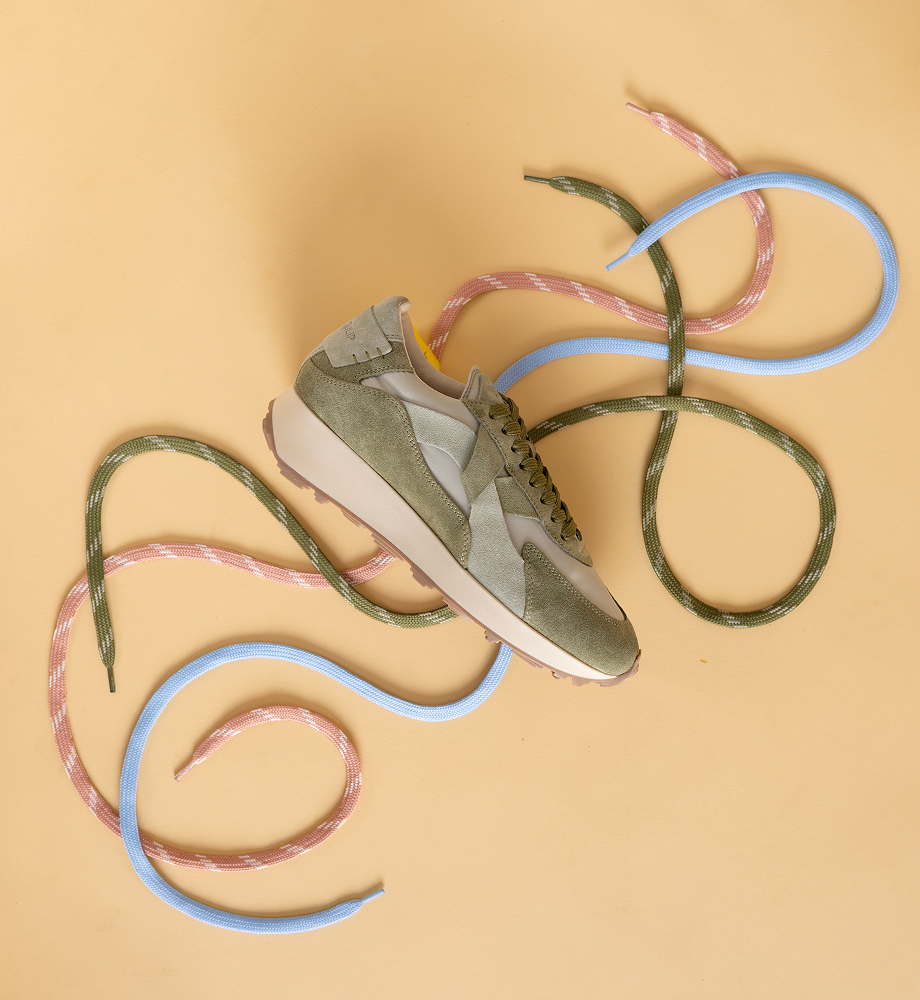
Understanding cost per wear reveals why expensive trainers often deliver better value than cheap alternatives through superior durability and construction quality.
• Calculate true value by dividing price by actual wears: £150 trainers worn 300 times cost £0.50 per wear versus £40 trainers worn 70 times at £0.57 per wear.
• Premium trainers last 5-10 years while budget options survive only 6-12 months due to superior materials like full-grain leather and resoleable construction methods.
• Quality construction features matter: Look for reinforced soles, stitched rather than glued construction, and premium materials that can be repaired rather than replaced.
• Proper maintenance extends lifespan significantly: Rotate between pairs, untie laces before removal, air dry away from heat, and store properly to maximize your investment.
• Match investment to usage patterns: Daily wearers benefit most from premium options, while occasional users can justify budget alternatives for specific activities.
The math is clear: investing in fewer, better trainers reduces annual footwear costs compared to constantly replacing disposable options. Brands like Black Tulip demonstrate how considered production and quality materials create women trainers that improve with age rather than deteriorate quickly. Why a £150 trainer is cheaper than a £40 one might sound counterintuitive, but the math tells a different story. A £120 coat worn 60 times costs just £2 per wear, while a £40 coat worn only 10 times before falling apart costs £4 per wear. A £200 designer jacket worn 130 days delivers a cost per wear of £1.54. Compare that to £25 sale loafers worn twice at £12.50 per wear. The same principle applies to trainers.

The cost per wear for footwear reveals why investing in expensive trainers can save money over time compared to budget options. This piece explains how to calculate cost per wear for trainers, which brands reduce cost-per-wear through durability, and where premium options like Black Tulip Trainers justify higher prices.
The formula is simple: divide the purchase price by the number of times you'll wear the trainers. A £40 pair worn 30 times costs £1.33 per wear, while £150 trainers worn 300 times drop to just £0.50 per wear. The challenge lies in being honest about actual usage and predicting how long trainers will last before they fall apart.
Budget trainers use synthetic leather and glued construction, which makes them disposable by design. Regular wear means you can expect 6 to 12 months of use before they're done. You've done well if you manage a full year. Premium trainers built with quality materials and proper construction methods can last 5 to 10 years when treated right and rotated often.
Run the numbers on a £40 trainer lasting 8 months with twice-weekly wear (around 70 wears total). Your cost per wear sits at £0.57. Seems reasonable until you compare it to a £150 trainer lasting 4 years at the same wear frequency (416 wears). That premium pair costs £0.36 per wear and saves you money with each use.
The gap widens when you factor in replacement cycles. The Ellen MacArthur Foundation found that fast fashion footwear gets worn an average of 7 times before being discarded. Quality trainers see a minimum of 30 to 50 wears, with many lasting hundreds of wears over years of ownership.
Construction quality determines whether trainers survive or surrender. Premium options feature resoleable designs, natural materials and craftsmanship built for longevity. Cheap trainers skip these details and use materials that break down fast with no repair options.
Black Tulip Trainers, including their Willow and Cassava models, demonstrate how considered production and quality construction reduce cost per wear. These trainers use premium materials and resoleable construction that extends their lifespan well beyond budget alternatives. The upfront investment pays dividends through years of wear rather than months.
Households that invest in fewer, better pieces spend less on footwear each year than those replacing disposable options. The math proves that durability isn't just about quality—it's about your wallet.
Budget trainers built with synthetic materials and glued construction survive 6 to 12 months with regular wear. Premium trainers constructed with quality materials can last 5 to 10 years when rotated and treated well. That difference transforms a pricey purchase into the more economical choice.
Running trainers tell a similar story. Quality running shoes handle 300 to 500 miles before needing replacement. Casual runners wearing them fewer than 10 miles weekly get 8 to 12 months of use. Cheap trainers wear down within a few weeks or months of use.
Budget trainers use "leather" that is corrected-grain or low-quality material from the worst parts of the animal. This cheap leather ripples, cracks and creases after one or two wears. Full-grain leather on premium trainers breathes, absorbs polish and looks better after a year of wear than the day you bought it.
Rubber outsoles last longer due to excellent ground traction. Plastic soles wear out fast. Continental rubber or Vibram outsoles provide the right grip without rapid wear.
Cemented construction means the sole and upper are glued together. Repair becomes impossible. Goodyear welted shoes feature a leather strip stitched to connect the upper and sole. Cobblers can replace worn soles. Black Tulip Trainers, including their Willow and Cassava models, use resoleable construction and premium materials that extend lifespan well beyond disposable alternatives.
Cheap shoes hurt feet after a day's wear. Maximum-cushion running shoes use softer foam that can compress faster under heavy mileage. Plush midsoles lose their rebound and fail to disperse shock. This places more load on joints over time.
Replacement costs mount when buying 2 to 3 pairs per season. Doctor visits to treat foot pain, posture issues and skin irritations add expense. Performance loss occurs when discomfort makes you avoid activities you love.
Reinforced soles prevent premature wear, and timeless styles outlive seasonal trends. Plain white sneakers remain wearable year after year. Whether trainers survive regular use or fall apart quickly depends on stitching and construction quality. LWG-certified leather and responsibly sourced materials signal brands that prioritize longevity.
Saint Laurent delivers sophisticated leather and sleek silhouettes designed to improve with age. Lanvin creates minimalist sneakers with impeccable construction and high-quality materials. Common Projects uses traditional Italian shoemaking techniques and bridges the gap between tennis trainers and dress shoes. Superior materials and craftsmanship reduce cost per wear with these brands.
Black Tulip creates investment pieces through considered practices and premium craftsmanship. Their Cassava Classic Tennis Trainer features real leather, suede and memory foam footbeds. These trainers are priced at £125 and withstand rain, winds and mud without showing wear. LWG-certified leather and responsibly sourced components reflect their steadfast dedication to quality and longevity. Black Tulip trainers last years rather than months and make them worth the investment.
Resoling extends trainer life affordably and reduces waste. Crown Northampton offers full resoling services using premium materials. Basic repairs cost under £79.42, nowhere near as expensive as replacement. Timpson resolves shoes multiple times if uppers remain intact.
Answer this question honestly before calculating cost per wear: special occasions only, once a month, twice weekly, or daily? A trainer worn daily delivers much better value than one sitting in your wardrobe. Whether premium trainers justify their price depends on frequency and duration.
Running shoes belong on roads and treadmills. Trail trainers handle earth and mud. Trainers last longer when you use them to serve their designed purpose. Road runners need more cushioning than grass runners, where the surface does the work. Match your investment to actual usage patterns.
Untie laces before removing trainers. This preserves heel structure. Rotate between two pairs. Foam needs 24 to 48 hours to decompress between wears. Store away from heat and direct sunlight. Both damage midsoles and glue. Hand wash with mild soap rather than machines, which destroy materials. Air dry with newspaper, never on radiators.
Black Tulip's Willow and Cassava trainers benefit from these practices. Their premium leather and resoleable construction reward proper care with years of wear. This reduces cost per wear substantially through durability.
Previous model releases drop prices when new versions launch. Budget trainers work for occasional wear or activities requiring frequent replacement.
Divide purchase price by realistic wear count. Honest assessment reveals true value.

Cost per wear changes how you think about buying trainers. Quality trainers from brands like Black Tulip deliver better value through durability and considered construction. Black Tulip's Willow and Cassava models use LWG-certified leather and resoleable designs that last years instead of months. The upfront investment pays off through hundreds of wears rather than disposable alternatives that need constant replacement. Calculate honestly and choose quality. Your cost per wear will drop by a lot.
Trainers built to last