NEW IN: SS26 A SUMMER DRIFT -
SHOP NOW
FREE UK SHIPPING OVER £125
RATED 4.8 ★
READ REVIEWS
NEW IN: SS26 A SUMMER DRIFT -
SHOP NOW
FREE UK SHIPPING OVER £125
RATED 4.8 ★
READ REVIEWS
NEW IN: SS26 A SUMMER DRIFT -
SHOP NOW
FREE UK SHIPPING OVER £125
RATED 4.8 ★
READ REVIEWS
NEW IN: SS26 A SUMMER DRIFT -
SHOP NOW
FREE UK SHIPPING OVER £125
RATED 4.8 ★
READ REVIEWS
NEW IN: SS26 A SUMMER DRIFT -
SHOP NOW
FREE UK SHIPPING OVER £125
RATED 4.8 ★
READ REVIEWS
NEW IN: SS26 A SUMMER DRIFT -
SHOP NOW
FREE UK SHIPPING OVER £125
RATED 4.8 ★
READ REVIEWS
NEW IN: SS26 A SUMMER DRIFT -
SHOP NOW
FREE UK SHIPPING OVER £125
RATED 4.8 ★
READ REVIEWS
NEW IN: SS26 A SUMMER DRIFT -
SHOP NOW
FREE UK SHIPPING OVER £125
RATED 4.8 ★
READ REVIEWS
NEW IN: SS26 A SUMMER DRIFT -
SHOP NOW
FREE UK SHIPPING OVER £125
RATED 4.8 ★
READ REVIEWS
NEW IN: SS26 A SUMMER DRIFT -
SHOP NOW
FREE UK SHIPPING OVER £125
RATED 4.8 ★
READ REVIEWS
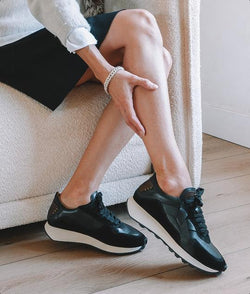
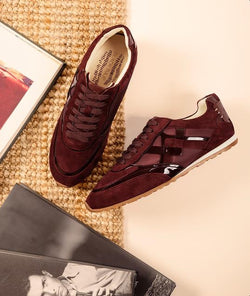
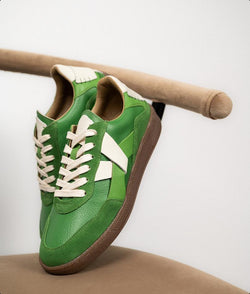
Absolutely gorgeous trainers. I love them. Beautifully made and the leather is fabulous. Can't wait to wear them.
5.0★
AVERAGE RATING
Really comfy , stylish and supportive. Taken me to the pub for an afternoon glass of Malbec ! Thanks @blacktulip💚
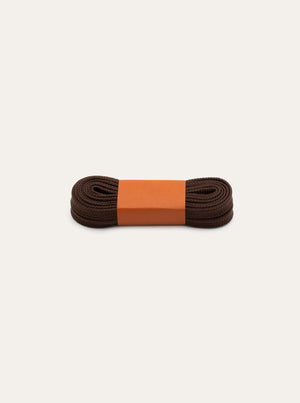
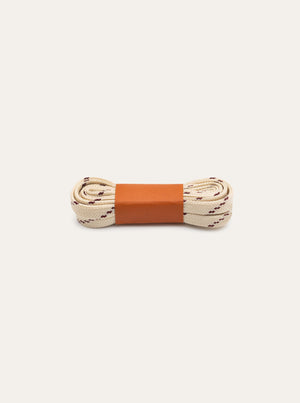
Questions about Laces
What length laces do I need for trainers?
Low-top trainers typically require 70–90 cm laces, while mid or high-top styles require longer lengths depending on the number of eyelets.
How do I measure shoelace length at home?
Remove your existing laces, lay them flat and measure from tip to tip. This provides the most accurate replacement length.
Which is better — flat or oval laces?
Flat laces offer a classic look and secure fit, while oval laces can reduce pressure across the instep and feel slightly more comfortable.
When should I replace my shoelaces?
Replace shoelaces when they begin to fray, lose shape or no longer stay securely tied. Regular wear can weaken fibres over time.
Should lace colour match the trainer or contrast?
Matching laces create a clean, streamlined look, while contrasting laces can highlight the trainer’s design. Choice depends on personal style preference.
We believe in producing only what’s truly wanted. That’s why every drop begins on preorder: it allows us to understand real demand before production begins. Choosing on demand means helping reduce overproduction, and in the end, overconsumption.